
September 17, 2026
What Is Crowd Control? And Why It Matters at Your Event
Crowd control is essential at any large gathering, but what does it actually involve? Learn what crowd control means, how security guards manage it at events, and why a proactive approach keeps everyone safer.
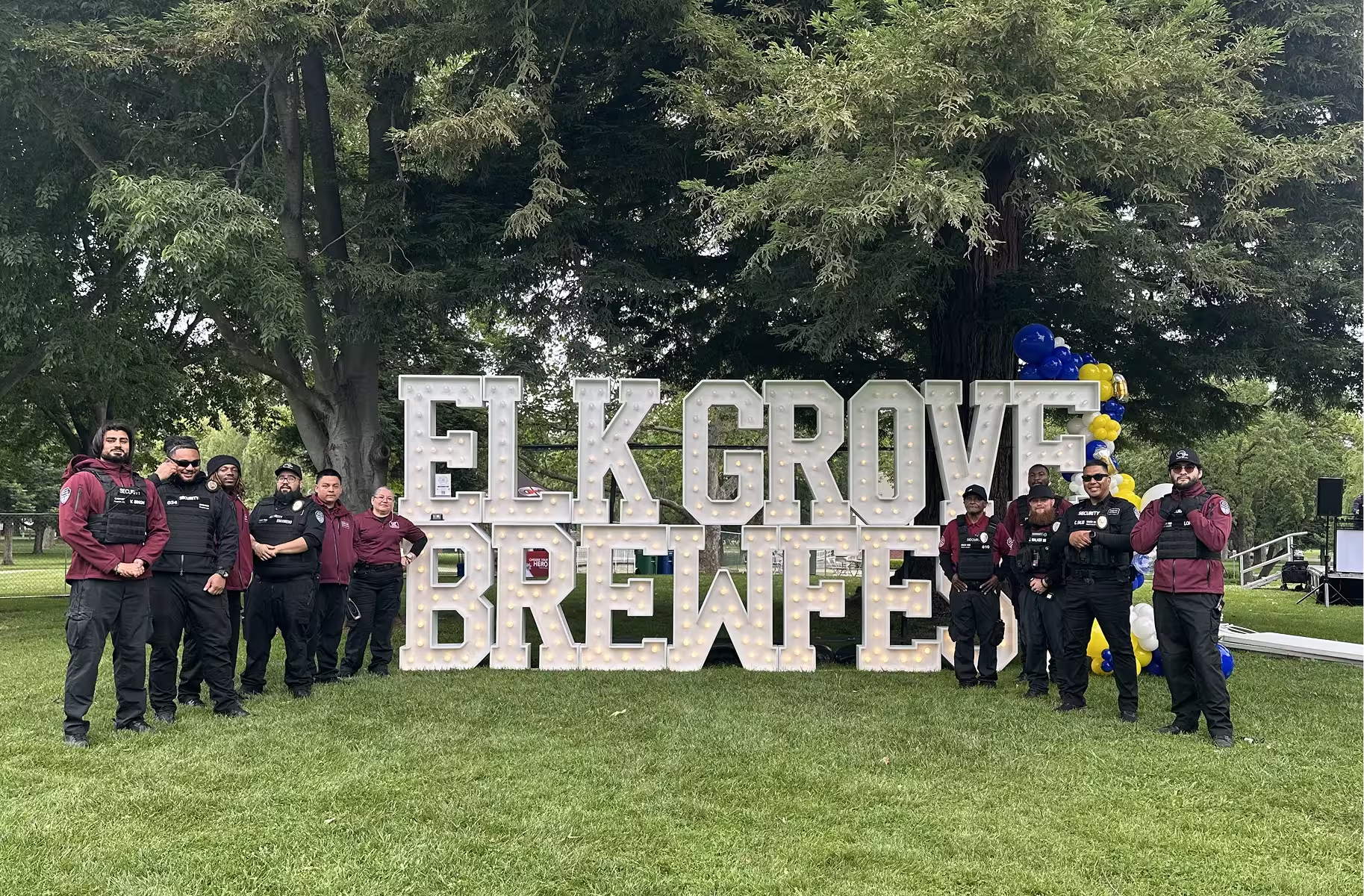
If you're hosting a gathering like a concert, a high school football game, or corporate event with hundreds of attendees, crowd control is one of the most essential things to get right.
When it’s going well, nobody notices a thing. When it’s going wrong, the the consequences can be serious. Injuries, panic, property damage, or worse.
Here's what crowd control actually means, how professional security guards manage large groups of people at events, and what you should expect from a security team handling your crowd.
What Is Crowd Control?
Crowd control refers to the strategies and measures used to manage the movement and behavior of large groups of people at events and public gatherings.
The goal is to prevent dangerous situations such as overcrowding, stampedes, altercations, and unauthorized access before they escalate into something that puts everybody else at risk.
Crowd control is commonly used at:
- Concerts and music festivals
- Sporting events and championship games
- Corporate conferences and conventions
- Festivals, fairs, and community events
- Bars, nightclubs, and late-night venues
- Weddings and private events with large guest counts
Anywhere large numbers of people gather in one shared space, crowd control becomes relevant.
The Difference Between Crowd Control and Crowd Management?
These two terms are often used interchangeably but they describe different approaches:
Crowd control is reactive
It's what security does when something goes wrong. A fight breaks out, the crowd surges toward the stage, someone tries to rush a barrier. Crowd control is the response to those situations.
Crowd management is proactive
It's the planning, positioning, and strategy put in place before the event to prevent those situations from occurring in the first place.
The best security teams do both. But the most effective event security is built around a strong crowd management strategy.
How Do Security Guards Manage Crowd Control at Events?
Professional security guards use a combination of positioning, communication, and de-escalation to keep crowds safe. Here's what that looks like in practice:
Access control and entry management
Controlling who enters the event and how quickly they can get everyone into the venue is one of the most important crowd control functions. Guards check tickets and credentials, manage lines, and prevent bottlenecks at entry points that can cause dangerous crowd buildup before the event even starts.
Perimeter monitoring
Guards patrol the venue perimeter throughout the event, including watching for unauthorized access, monitoring fence lines, and identifying any areas where crowd density is building to a dangerous level.
Crowd flow management
During high-traffic moments like arrivals, performer entrances, and exits; trained guards actively direct crowd movement to prevent surges and bottlenecks. This is especially critical at concerts and sporting events where crowd energy is high.
De-escalation
The majority of crowd control incidents start small. A verbal argument, a guest who has had too much to drink, or an argument over seating.
Trained security guards are skilled at identifying these situations early and de-escalating them before they involve more people or require physical intervention.
Emergency response coordination
When a medical emergency, fire alarm, or other critical incident occurs, security guards coordinate crowd movement toward exits, contact emergency services, and maintain order during evacuation.
Clear communication and calm presence in those moments can prevent a controlled situation from becoming a panic.
How Do You Manage Crowd Control at Concerts Specifically?
Music events present unique crowd control challenges. High energy, alcohol, general admission floor sections, and the dynamics of live performance all require specific planning.
At concerts and music festivals, effective crowd control includes:
- Stage barrier management — monitoring the area directly in front of the stage where crowd pressure is highest
- Alcohol monitoring — identifying intoxicated guests before they become a safety issue for themselves or others
- Multiple entry and exit point management — preventing dangerous funneling of large crowds through limited exits
- Real-time communication between security team members across the venue
- Coordination with venue staff — working alongside production, bartenders, and event coordinators as a unified team
The key at music events is anticipation. An experienced security team reads the crowd, paying attention to things like energy levels, crowd density, behavior patterns. Then they adjust positioning and response before situations develop.
Crowd Control at Sporting Events
Sporting events bring passionate fans, rival supporters, and high-stakes moments that can shift crowd dynamics quickly. Championship games, playoff events, and high-profile rivalries require heightened security awareness.
Effective crowd control at sporting events includes:
- Fan separation — managing rival supporter sections to prevent confrontations
- Perimeter and parking security — incidents often happen outside the venue before and after the event
- Real-time monitoring of crowd density in stands and common areas
- Coordination with venue security and law enforcement when events involve large attendance
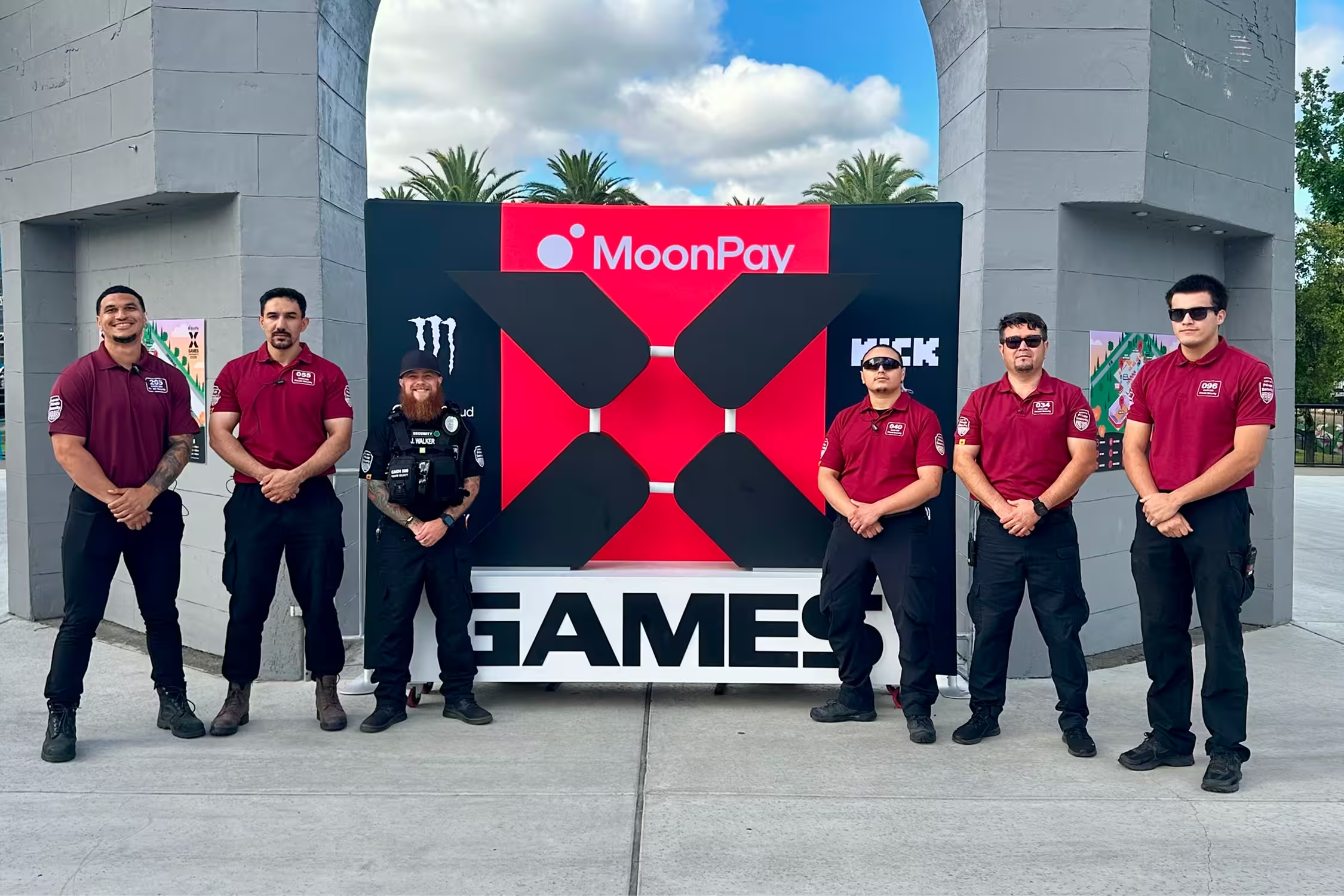
Securing Communities recently provided security for championship sporting events in Sacramento with over 15,000 attendees, including X Games Sacramento and high school football championship games. Learn more about our general event security services in Sacramento.
Managing crowd safety at that scale requires experienced guards, detailed pre-event planning, and seamless communication throughout.
What Makes Crowd Control Effective?
The difference between effective and ineffective crowd control comes down to a few key factors:
Experience — guards who have worked large events understand how crowds behave and can anticipate problems before they develop
Training — proper crowd management training covers positioning, communication, de-escalation, and emergency response protocols
Planning — the best crowd control starts before the event with a detailed security plan, site walkthrough, and guard positioning strategy
Communication — a security team that can't communicate in real time can't respond effectively to a developing situation
Do You Need Professional Crowd Control for Your Event?
If your event involves any of the following, professional crowd control is worth having:
- 100+ attendees
- Alcohol service
- General admission floor sections or standing areas
- High-energy performances or competitive sporting events
- Multiple entry and exit points
- VIP or restricted access areas
The cost of hiring professional security guards for your event is significantly lower than the liability and reputational damage that comes from a crowd control failure.
Get a free quote and we'll assess your event and put together a security plan that covers crowd control, access management, and everything in between.
Serving Sacramento, Elk Grove, Folsom, Roseville, and surrounding areas.
.png)
Get in touch
Ready to work together?
We’ve worked with countless businesses around the Sacramento area. Maybe you'll be next.